
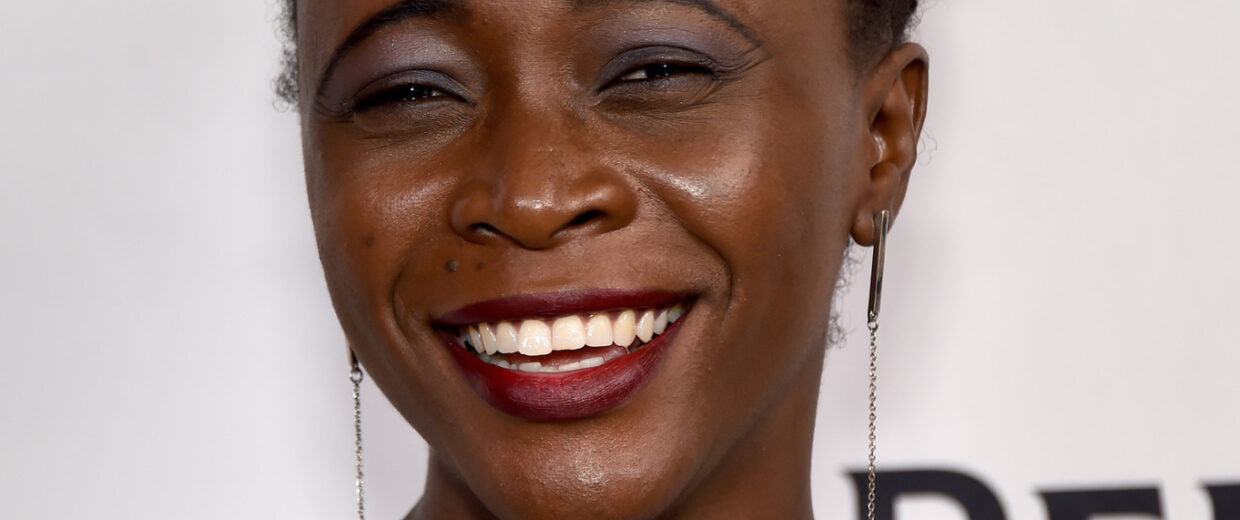
The Commercial Index is pan-African. That means it cannot apply a single market standard to talent across fifty-four territories with dramatically different theatrical infrastructures. Leila Djansi’s scores are benchmarked against the Ghanaian theatrical market — a market without Nigeria’s multiplex density, without Nigeria’s FilmOne distribution network, without Nigeria’s advance-screening culture — and within that benchmark, she is its most commercially viable director.
I want to address the framing question directly, because it matters for how this profile should be read. When the press covers Ghanaian cinema doing well at the box office, it often asks: is this Ghana’s Nollywood moment? Djansi has spent more than a decade making films that answer that question by refusing to engage with it on those terms. Saka Saka, which is currently tracking at Ghanaian cinemas in 2026, is not a Nollywood film. It is a Ghanaian film — in the specific textures of its setting, the cultural specificity of its character dynamics, the visual language Djansi has developed across a body of work that includes Ties That Bind (which opened AFRIFF in 2011), Somewhere in Africa, and Sinking Sands.
That refusal has a commercial cost — it limits the scale of her audience to the audience that wants specifically Ghanaian cinema — and a commercial benefit: it builds loyalty among that audience that follows her from film to film. Her theatrical presence in Ghana is consistent, not episodic. Silver Rain Films, her production label, has a coherent identity. She is the name that international press and festival programmers use when they discuss Ghanaian cinema. That institutional name recognition is commercial value.
The Scores
Box Office: 7.2. Benchmarked against the Ghanaian market. Saka Saka tracking at Silverbird and Silverstone in Accra in 2026 is a genuine commercial result in a market where theatrical infrastructure is still developing. The 7.2 is honest about the market ceiling and honest about what she achieves within it.
Audience: 7.5. A loyal Ghanaian theatrical audience, a consistent diaspora following in the UK and North America, and the critical audience that follows Ghanaian cinema internationally. Not a mass audience in the Nigerian sense — a defined, committed audience in the Ghanaian sense. The distinction matters.
Brand Value: 7.8. Silver Rain Films as a production identity. Ghana’s representative in the international African cinema conversation. The name that is cited when Ghanaian prestige cinema is discussed. International critical recognition across African film publications and international press. The 7.8 reflects a strong regional brand that has not yet translated into the institutional partnerships that would push it higher.
Culture: 8.5. The highest individual dimension score in her profile, and it is earned. The cultural argument for Djansi is that she has spent a decade making films that look like Ghana rather than like a commercially convenient approximation of it. The industry rewards this with loyalty, not with records. But cultural footprint — the degree to which a filmmaker’s work shapes the conversation about what cinema from their territory can and should be — is real commercial value. Her 8.5 reflects that she holds the conversation about Ghanaian cinema the way very few directors hold the conversation about their national cinema.
Streaming: 6.8. The most honest score in this profile. Ghana’s streaming infrastructure is less developed than Nigeria’s or South Africa’s. Djansi’s films have limited verified streaming footprint. The 6.8 reflects current reality. As the Ghanaian market develops its streaming infrastructure — and as international platform interest in Ghanaian content grows — this number has the most room to move of any dimension in this profile.
Overall: 7.5. Ghana’s most commercially viable director, scored against the continent rather than just the country. The Commercial Index will track her trajectory through the Saka Saka theatrical run and beyond.
Data sources: Ghanaian box office tracking, AFRIFF 2011 programme, Roll Call Africa correspondent coverage from Accra.
