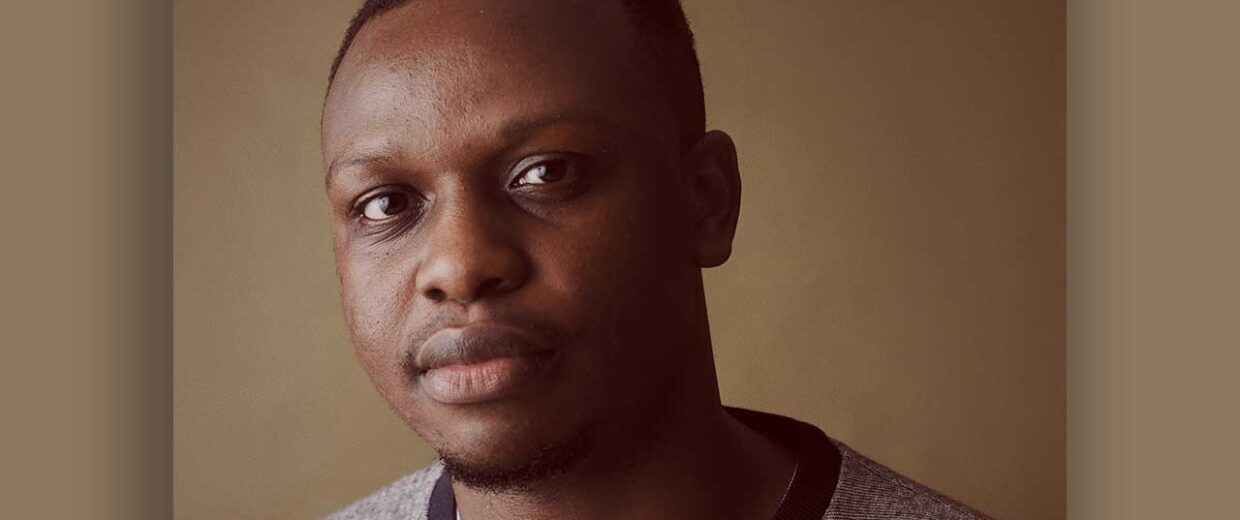
Damilola Orimogunje does not make loud films. In an industry whose commercial engine runs on star-packed ensembles, broad comedy, and emotional maximalism, Orimogunje works in the opposite register entirely — quiet, controlled, interior cinema that trusts silence and restraint to carry meaning. This week, that quiet approach reached the loudest possible validation: Dear Ajayi, his second feature, was selected to compete at Venice Days, making him the first Nigerian director to enter the section’s competition. For RollCallAfrica’s Rising Watchlist, Orimogunje is the filmmaker proving that Nigerian art cinema is not a series of isolated breakthroughs but a sustained, serious voice.
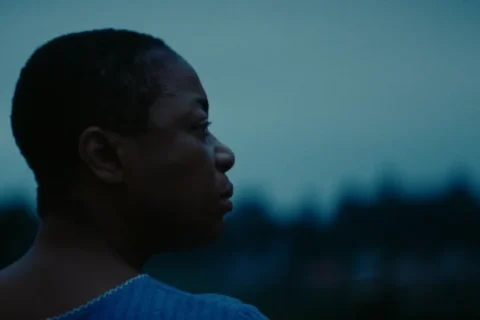
Dear Ajayi — set in southwestern Nigeria in the 1990s, following estranged sisters forced to reunite to care for their paralysed mother — is exactly the kind of film that Orimogunje’s sensibility is built for. It is a chamber drama about family, memory, and reconciliation, the sort of intimate, character-driven work that requires a director confident enough to let scenes breathe and trust the audience to sit with discomfort. That Bimbo Akintola, one of Nigeria’s most accomplished performers, leads the film is a signal of the seriousness the project commands.
Why He Belongs on the Watchlist
The significance of Orimogunje is what he represents for the shape of Nigerian cinema. Nollywood’s international breakthroughs have often been treated as exceptions — a Cannes film here, a festival selection there, individual filmmakers escaping the commercial gravity of the industry to make prestige work. Orimogunje’s arrival at Venice Days, as a second-feature director building a coherent body of quiet, precise, auteur-driven cinema, suggests something more durable: that Nigerian art cinema is developing as a sustained practice, with filmmakers whose careers are built on artistic vision rather than commercial calculation, moving through the international festival system as a matter of course rather than exception.
His work is the deliberate counterweight to everything loud about the commercial mainstream. Where the box office runs on volume and spectacle, Orimogunje offers restraint and interiority. Both have their place — RollCallAfrica has celebrated the commercial strength of Nollywood all year — but a healthy national cinema needs both the loud and the quiet, the commercial and the contemplative. Orimogunje is proving that the quiet, contemplative strand of Nigerian cinema has a voice serious enough to compete on the world stage. That is worth tracking.
What to Watch
The Venice Days competition will test Dear Ajayi against the strongest independent cinema in the section’s international lineup, and the GdA Director’s Award is within reach for a film that lands with the jury. Beyond the immediate prospects, Orimogunje’s trajectory is the thing to watch: whether he becomes the sustained auteur voice his first two features suggest, building a body of work that establishes Nigerian art cinema as a permanent presence on the festival circuit rather than an occasional visitor.
The infrastructure is aligning for him — the Nigeria-Germany co-production model that made Dear Ajayi possible, the FilmOne distribution that will bring it home, the international sales support that will carry it abroad. What he brings is the vision, and the discipline to keep making quiet films in a loud industry. For the Rising Watchlist, Damilola Orimogunje is the filmmaker to follow if you want to see where serious Nigerian cinema is going. Remember the name.
— Emeka Eze. RollCallAfrica, Lagos. 4 August 2026. Sources: Giornate degli Autori official (2026), 2o9ine Films, FilmOne Entertainment.