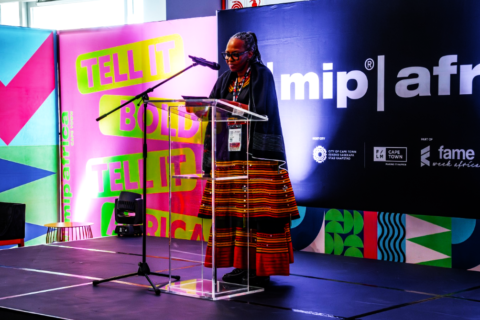
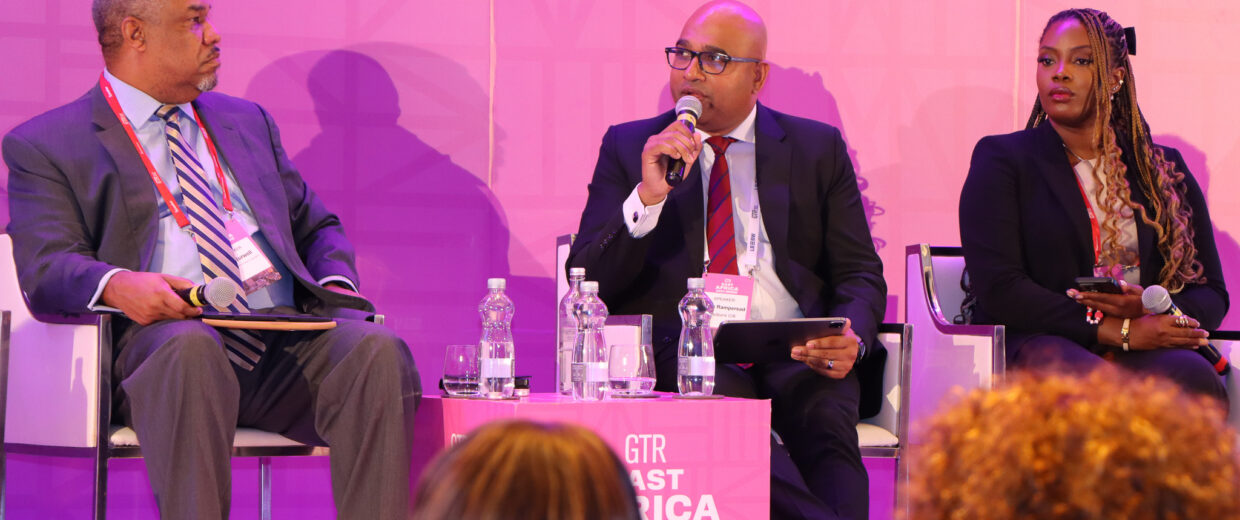
The standing ovations at Cannes matter. The Caméra d’Or for Ben’Imana matters. But the event taking place in Nairobi this week may matter more for the long-term health of African cinema than any prize handed out on the Croisette: the launch of the East Africa Content Marketplace, a regional platform designed to build the co-production, distribution, and financing relationships that East African film and television have lacked.
The logic is the one this publication has returned to repeatedly through 2026. African cinema’s problem is not talent — the Cannes results settle that. It is not audience demand — the Parrot Analytics data settles that. It is infrastructure: the financing relationships, the distribution networks, the market mechanisms that allow films to be made, sold, and seen at scale. The festivals demonstrate the talent. The marketplaces build the infrastructure. And East Africa — Kenya, Tanzania, Uganda, Rwanda, Ethiopia — has had the least developed market infrastructure of any major African film region despite producing some of the continent’s most internationally recognised recent work.
Why East Africa, Why Now
Consider the East African work that has reached the international circuit recently: Ben’Imana from Rwanda, just crowned with the Caméra d’Or. One Woman One Bra from Kenya, winner of the BFI Sutherland Award. The growing Kenyan festival presence across Sundance, the Berlinale, and beyond. The Nigeria-Kenya co-production pipeline that has produced East-West Love and the films following it. East Africa is producing work that travels. What it has not had is the regional market infrastructure that lets that work be financed, co-produced, and distributed across the East African territories themselves.
The East Africa Content Marketplace is designed to address exactly that gap. A regional platform where producers, distributors, financiers, and broadcasters across East African territories can build the relationships that turn individual films into a sustainable regional industry. It is the East African equivalent of the market infrastructure that AFRIFF has built in Nigeria, that the Durban FilmMart has built in South Africa, and that the Marché du Film provides globally — adapted to the specific needs and opportunities of the East African region.
The Pattern Across the Continent
The Nairobi launch is part of a continental moment in African film infrastructure development. AFRIFF Goes to Cannes built market relationships at the Marché du Film. The African International Short Film Market (AISFM) is launching its first edition in Lagos. The Nomadic Film Space is building financing infrastructure. NollywoodWeek is expanding its industry programme. And now the East Africa Content Marketplace brings that infrastructure-building energy to the region that has most lacked it.
These are not glamorous events. They do not produce standing ovations or red carpet photographs. They produce something more durable: the commercial relationships and market mechanisms that determine whether the talent African cinema has demonstrated at Cannes can be converted into a sustainable industry that serves African audiences. The festival map of African cinema is complete. The infrastructure map is being drawn this week, in Nairobi. That is the story worth watching.
— Wanjiru Kamau. RollCallAfrica, Nairobi. 24 May 2026. Sources: East Africa Content Marketplace official announcements, Kenya Film Commission, regional industry communications.