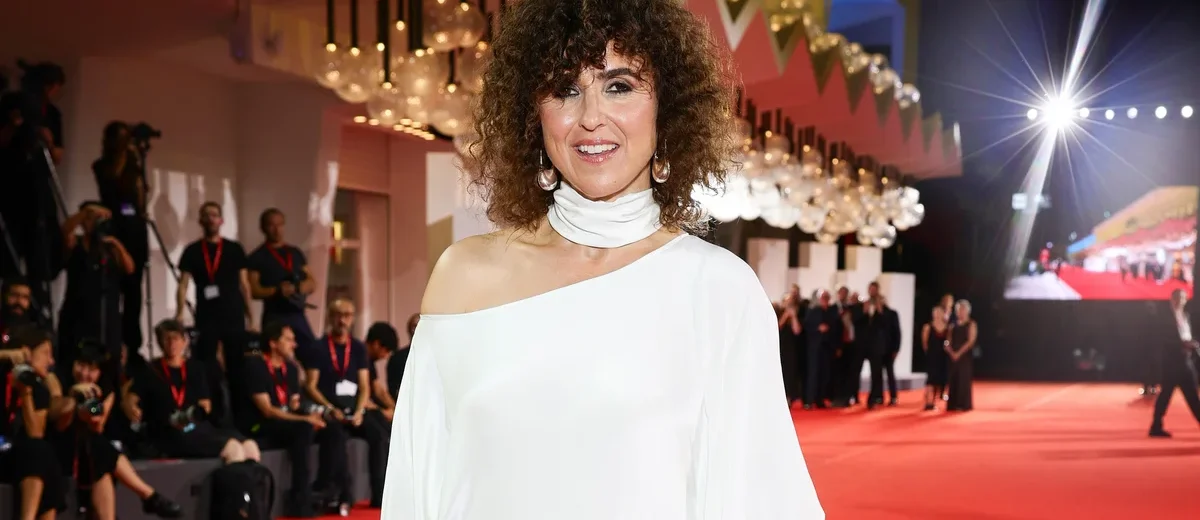
Danish-Egyptian filmmaker May el-Toukhy arrived at Venice with Woman Unknown and an unwanted distinction. She is the only solo woman directing a fiction film among the 21 titles competing for the Golden Lion.
One other competition documentary has a female co-director. Festival director Alberto Barbera has pointed to submissions, saying women directed 24 percent of entries, down from 30 percent a year earlier. That statistic explains the pool. It does not explain the system that produced it.
El-Toukhy told reporters that getting her first film made took six or seven years, while male peers moved faster. Her argument is that unequal finance affects budgets, casting and ultimately the chance of reaching festivals.
A festival sees the end of the pipeline
By the time a film is submitted to Venice, years of selection have already occurred. A director needed development time, producer confidence, finance, actors, insurance, a completed shoot and post-production. Any inequality at those stages reduces the number of finished films available to submit.
A festival can therefore select on artistic merit and still present a deeply unequal competition. Merit is being judged after access has already decided who could complete the race.
The submission percentage should therefore be treated as an outcome, not a defence. If fewer women submit, the useful questions concern who received early finance, who was trusted with a second feature, whose project carried a marketable cast and who was allowed to survive the years between films.
El-Toukhy’s own timeline makes that structure visible. Six or seven years to complete a first feature is not simply artistic patience. It is lost income, delayed experience and a slower route to the body of work that major festivals often reward.
The film makes the argument personal
Woman Unknown follows Marie, a Danish housemaid after the Second World War whose planned marriage is threatened by the discovery of a relationship with a German soldier. The story examines public humiliation, shame and the women whose experiences were hidden from their own families.
El-Toukhy describes the film as being about women made simultaneously visible as objects and invisible as voices. That tension now surrounds her festival position. Her isolation gives her attention, but attention is not equality.
The African industry should not copy the bottleneck
For African cinema, the lesson begins before festival selection. Public funds and private studios should publish who receives development and production money, the size of awards and how many supported projects reach completion. Mentorship without finance cannot correct unequal access to budgets.
Commissioners should also examine budget size, not only the number of women hired. Ten low-budget projects do not necessarily equal one male-directed production given the resources, stars and marketing required for international competition. Representation without comparable production conditions can manufacture the appearance of progress while preserving the hierarchy.
African festivals have an opportunity to build the pipeline they later want to programme. Development labs should connect directly to production money. Childcare, safety, travel support and transparent selection rules are industrial tools because they affect who remains in the profession long enough to direct a feature.
The question is not whether women can make competitive films. El-Toukhy is already in the competition. The question is how many equally capable filmmakers never reached the submission form.