
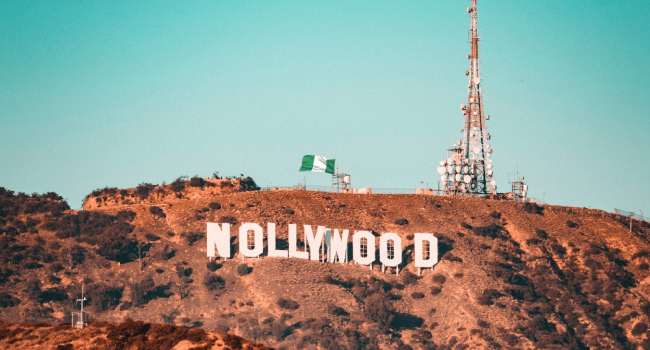
Nollywood’s August 2026 theatrical calendar is stacked. After a first half of the year in which Nigerian films pulled ahead of Hollywood in the domestic market, the industry is loading the late-summer corridor with releases — one of the busiest theatrical months of the year, compressed into a three-week stretch that will test both the audience’s appetite and the market’s capacity to absorb this many films at once.
The corridor opens on August 14 with Sweet 16. A week later, on August 21, four films arrive simultaneously: Ikenga, Aláhùn, Abujaa, and A Father’s Secret. The following Thursday, August 28, brings Kosoko. Six Nigerian films across three weeks, with the middle week carrying four releases on a single day. This is aggressive scheduling, and it reflects the confidence the first half of the year has given the industry about the strength of the local box office.
Why Clustering Is a Gamble
The logic of loading a corridor with releases is straightforward: the industry is performing, audiences are turning out, and each producer wants their film in cinemas during a strong period. But the clustering carries a specific commercial risk that the individual scheduling decisions do not account for. Cinema capacity is finite. Screen counts are finite. Audience spending, particularly under Nigeria’s current economic pressure, is finite. When four films open on the same day, they are not just competing with the Hollywood imports and the holdover hits — they are competing with each other, splitting the available screens and the available audience four ways in their crucial opening weekend.
The films that have defined Nollywood’s 2026 success — Call of My Life above all — succeeded through sustained runs built on word of mouth, holding screens across multiple weekends as the audience discovered them. That model requires a film to secure enough screens and enough time for word of mouth to build. A four-film opening day works against that model. The films arriving together on August 21 will each fight for a share of a screen pool that cannot expand to accommodate all of them at the scale each would want, and the ones that do not break out immediately risk losing screens before word of mouth can do its work.
What to Watch
The corridor is a live experiment in whether Nollywood’s current commercial strength can absorb this volume of simultaneous releases or whether the clustering will cannibalise the very films it is meant to showcase. The best outcome for the industry is a broad base of these films performing solidly — the kind of mid-tier spread whose absence RollCallAfrica flagged in the first half of the year. The worst outcome is one or two breaking out while the rest are crushed in the crush of the calendar, reinforcing the pattern of a market carried by a handful of titles.
The individual films span the range of what Nollywood does — the cultural drama, the family secret, the location-specific story. Ikenga carries an Igbo cultural resonance in its title. Aláhùn and Kosoko signal Yoruba-rooted narratives. The corridor is a genuine cross-section of the industry’s output arriving all at once. RollCallAfrica will track the box office performance across the corridor and review the standout titles. The calendar is the story to watch through August: not whether Nollywood is strong — the first half settled that — but whether it is strong enough to carry six films through three weeks without the clustering undoing the momentum.
— Adaeze Okoye. RollCallAfrica, Lagos. 2 August 2026. Sources: FilmOne Entertainment release calendar, Nigerian theatrical exhibition listings (August 2026).