When Cannes artistic director Thierry Frémaux announced the Un Certain Regard selection and described Ben’Imana as “astounding” for a debut feature, it was a statement made before a single public screening had taken place. Yesterday, the film screened. The statement has been confirmed.
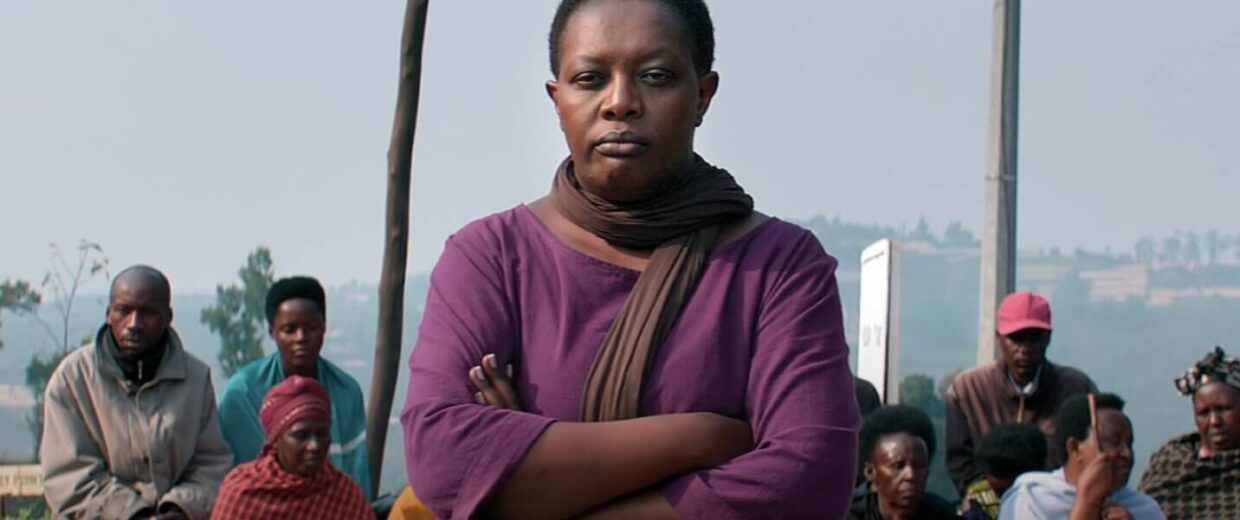
Ben’Imana is set in Rwanda in 2012, eighteen years after the genocide against the Tutsi. It follows Vénéranda — played by Clémentine U. Nyirinkindi in a performance of extraordinary restraint — a survivor who has built her entire adult identity around reconciliation and the community-led justice process of gacaca. She is not a passive figure processing grief. She is an active architect of her community’s peace, a woman who has chosen, deliberately and at personal cost, to hold the space where the unresolvable is nevertheless worked through. When her teenage daughter’s pregnancy destabilises that carefully constructed peace, the film becomes about something it had been circling from the first frame: whether forgiveness is ever truly finished, or whether it is a practice that must be renewed every day against the pressure of what actually happened.
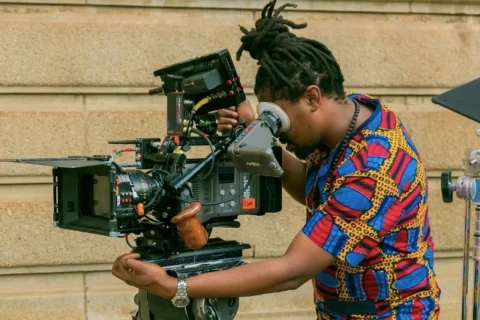
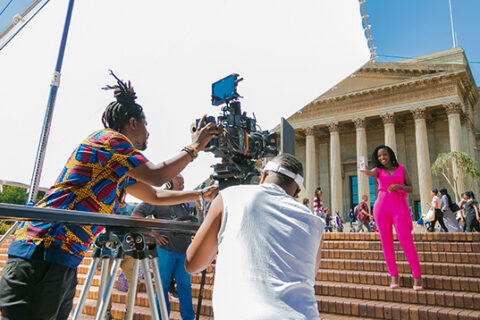
Marie-Clémentine Dusabejambo directs with the patience of someone who knows that the most important things in her film happen in the space between what is said and what cannot be said. The cinematography, by Egyptian filmmaker Mostafa El Kashef — whose previous work includes the 2025 Cannes selection Aisha Can’t Fly Away — treats the Rwandan landscape and interior spaces with the same quality of attention: neither aestheticising the setting nor reducing it to a backdrop for the drama. The film looks like the country it is about, which is a harder achievement than it sounds.
MK2 and What It Signals
Emmanuel Pisarra, head of acquisitions at MK2 Films, described the film precisely in the Deadline announcement: “The confidence of Marie-Clémentine’s gaze, and her ability to hold complexity without ever reducing it marks the arrival of a filmmaker with vision and heart.” The second sentence matters as much as the first: “Rather than revisiting the past, Ben’Imana captures how history continues to live in the present, through women finding ways to rebuild and move forward. This is a deeply resonant work, with an undeniable emotional reach.”
MK2 handles sales on Ben’Imana alongside Competition titles including Marie Kreutzer’s Gentle Monster and Andrey Zvyagintsev’s Minotaur. The company does not take on projects it is not prepared to fully sell. The placement of a Rwandan debut alongside those titles in MK2’s current slate is the most concrete measure of where the film sits in the sales company’s own assessment of its commercial reach.
What I Watched in the Room
I have been writing for twenty-five years about African films at Cannes and the specific quality of attention a Cannes audience brings to the first screening of a debut film. The attention in the room for Ben’Imana yesterday was of the kind that tells you something is happening that the audience has not encountered before. Not because the subject is unfamiliar — the aftermath of the Rwandan genocide has been the subject of many films — but because the specific way this film holds its subject is unlike what the audience has seen. There was no applause at the end of the difficult scenes that usually generates applause. There was silence. The good kind — the kind that means the audience is still inside the film rather than responding to it from the outside.
The Caméra d’Or jury, which awards the best debut film across all sections of the entire festival, has this film on its longlist. After yesterday’s screening, I do not think it will remain only on the longlist. I will write the full review when the competition has run its course and the jury has made its decisions. For now: Frémaux was right. It is astounding.
Ben’Imana (2026) · Dir. Marie-Clémentine Dusabejambo · Rwanda/Gabon/Côte d’Ivoire/France/Norway · Un Certain Regard, Cannes 2026 · Sales: MK2 Films · Caméra d’Or longlist. — Amara Diallo, Cannes. RollCallAfrica, 14 May 2026. Sources: Deadline (April 2026 — MK2 exclusive), Cannes 2026 official.