A prize can change the prospects of a film without paying every bill needed to finish it.
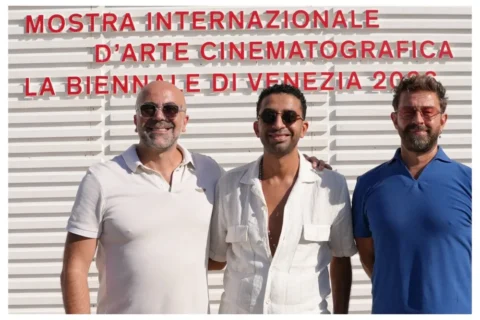
Variety reports a Biennale prize and four other Final Cut awards for Machérie Ekwa Bahango’s film.
For the Congolese project, the useful question now is what that support allows the team to complete. Recognition creates attention. Editing, sound and delivery turn that attention into something a distributor can actually release.
A second feature looking for its finishing partners
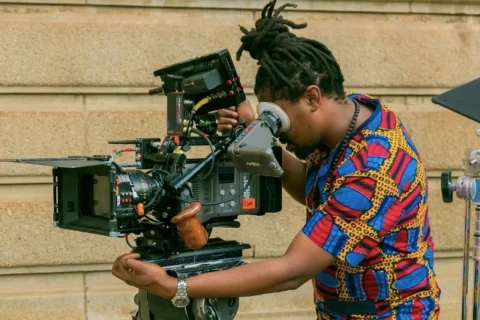
In an interview published by FRED Film Radio, Bahango discussed seeking partners to complete her second feature. Set in Kinshasa, the film follows a young couple whose lives are disrupted by an unexpected birth. The account describes a production assembled with French and Belgian collaborators, and an African crew on set.
Those details matter because a co-production is not necessarily a fully financed production. Different partners may cover different stages, leaving a team with enough resources to shoot but not enough to deliver the final version.
A completed shoot is a major achievement. It is also the point at which the distinction between having a film and having a saleable film becomes expensive.
Cash and services solve different problems
Final Cut’s published support menu illustrates the difference. It includes colour-correction services valued at €15,000 for up to 50 hours, and a sound-mixing offer valued at €15,000 for up to 12 days that excludes the sound mixer. These are programme offers, not a verified allocation to this particular winner.
A service award can remove a substantial invoice. It does not automatically pay for travel, accommodation, additional working days or a specialist excluded from the offer. Nor can a producer necessarily move its stated value to a different part of the budget.
This is not a criticism of in-kind support. A reliable finishing facility may provide expertise a cash-strapped production could not otherwise secure. The point is that the headline value and the remaining financing gap are different numbers.
For Madi Makambu, the award-by-award allocation and the team’s outstanding budget would be needed before anyone could responsibly announce that the film is fully financed.
The valuable outcome is a deliverable
The practical sequence is straightforward even when the work is not. The producer needs a locked edit, agreed finishing dates, usable sound and picture materials, and a delivery package matched to the intended buyer. A new partner entering late also needs clarity about who approves changes and who pays when the schedule moves.
Without those decisions, a prize can leave a production better positioned but still waiting. With them, it can convert a rough cut into a film ready for serious acquisition conversations.
The distinction should also shape how the win is covered. A work-in-progress award is not a completed-film festival award. It recognises a project at a stage where support can change the result.
Completion is the next milestone, not the last
After finishing comes another set of decisions: which audiences the film will reach, through which partners, and on what terms. A sales conversation is not yet a booked cinema. A festival invitation is not yet a domestic release.
Bahango’s win deserves attention on its own terms. It gives the project a stronger platform from which to organise those next steps. But the most meaningful follow-up will not be another photograph of the award. It will be the finished film, a confirmed release route and evidence that the team can move from this production to the next.
That is how an individual breakthrough begins to become an industry.