Q2 2026 · Roll Call Africa Rising Watchlist™
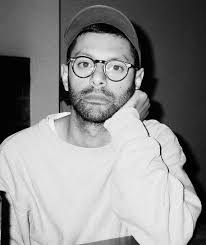
The Cape Flats of Cape Town — the historically marginalised, apartheid-era resettlement zone on the outskirts of the city, predominantly Black and Coloured communities shaped by forced removals and their persistent aftermath — has been filmed many times. It has been filmed as a place of gangsters and poverty and tragedy, which it is, partly. It has very rarely been filmed as what it also is: a community with music and faith and colour and a specific, stubborn defiance of the narratives imposed on it from outside. Imran Hamdulay grew up here. When he made The Heart Is a Muscle, his debut feature, he held the full complexity from the inside.
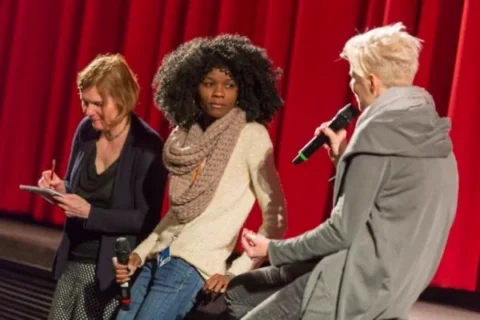
The film premiered in the Panorama section at the 75th Berlinale in February 2025, where it won the Ecumenical Jury Prize. It won Best Feature Film at the Silwerskerm Festival in August 2025 — the Cape Town industry’s own recognition for what the film had achieved. South Africa’s National Film and Video Foundation selected it as the country’s official submission for the 98th Academy Awards in the Best International Feature Film category. It opened theatrically in South Africa in March 2026 and screened at the New York African Film Festival in May 2026. Variety, Deadline, and Screen Daily all covered it substantively.
The production context matters as much as the reception. The film was made on approximately $200,000 — a budget that, in the South African industry, barely covers the location fees on a commercial production. Hamdulay described the production to Deadline: “It was a tiny film; we shot it on $200,000. The spirit of the crew and cast was really what carried us.” He held multiple meetings with gang bosses in the Cape Flats areas where the film was set, explained his project to them through his visual deck — “they weren’t interested in reading the script” — and received not only their permission but their protection during the shoot. The specific areas he filmed in had not previously been accessible to any production. The community response after the film was made was, by his account, the most rewarding part of the entire experience.
The son of prominent anti-apartheid activists, Hamdulay has described his film as inseparable from South Africa’s political and generational inheritance. “Before 1994, only one race was allowed to make art and films,” he told Variety. “Our cinematic legacy is young — and I find that really exciting.” The film’s subject — intergenerational trauma and healing, the specific legacy of apartheid’s violence passing through bodies and families — is the subject of his life, not a subject he chose for festival legibility.
This is the kind of debut that defines a filmmaker’s entire subsequent career by establishing, unmistakably, what they are. The second film will face the expectations that come with this — the Berlinale prize, the Oscar submission, the critical consensus. RollCallAfrica’s Watchlist position is that Hamdulay has the material and the method to exceed those expectations. The Cape Flats gave him twenty years of research. A $200,000 film spent it wisely. The next film will cost more and be watched more closely. We will be there.
Territory: South Africa · Role: Director, Writer · Watch for: Second feature announcement, 2026–2027