A new storytelling format becomes an industry when somebody can explain the second commission.
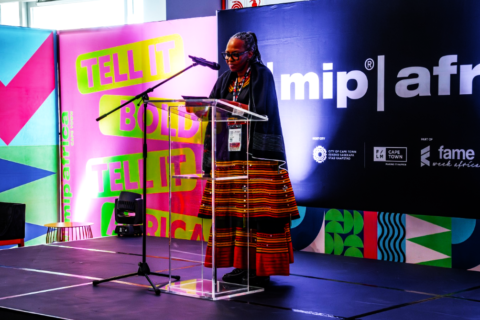
There is now a concrete development opportunity for African micro-drama creators. FAME Week Africa has announced a dedicated pitching competition with Story Oasis and Media Valley. Its announcement says six finalists will pitch, with the winner receiving development, production and post-production support.
Separately, the event’s student competition with SAE Institute South Africa accepts films, television series and micro-dramas. It offers mentorship and a bursary opportunity. These are two different schemes, not one combined production fund.
Together, they show that the format is entering organised talent development. Neither announcement, by itself, establishes a dependable commissioning market.
A pitch prize is not a revenue model
Development support can help a creator test an idea that might otherwise remain on a phone. That is valuable. It does not yet tell the producer who will pay for a full series, what the licence will cover or where the next production budget will come from.
A broadcaster-funded series, a brand-funded story and a platform that charges viewers for access have different economics. Each requires a different production plan. Calling all three mobile-first content conceals the decision that matters most: who is the customer?
If the customer is a brand, the producer needs to know what approval process comes with the money. If it is a platform, the commercial terms and reporting matter. If the audience pays directly, the project must attract buyers at a cost its receipts can support.
A large number of plays cannot settle those questions. Some viewers may watch a free opening episode without paying, following or returning.
Short running times do not remove production work
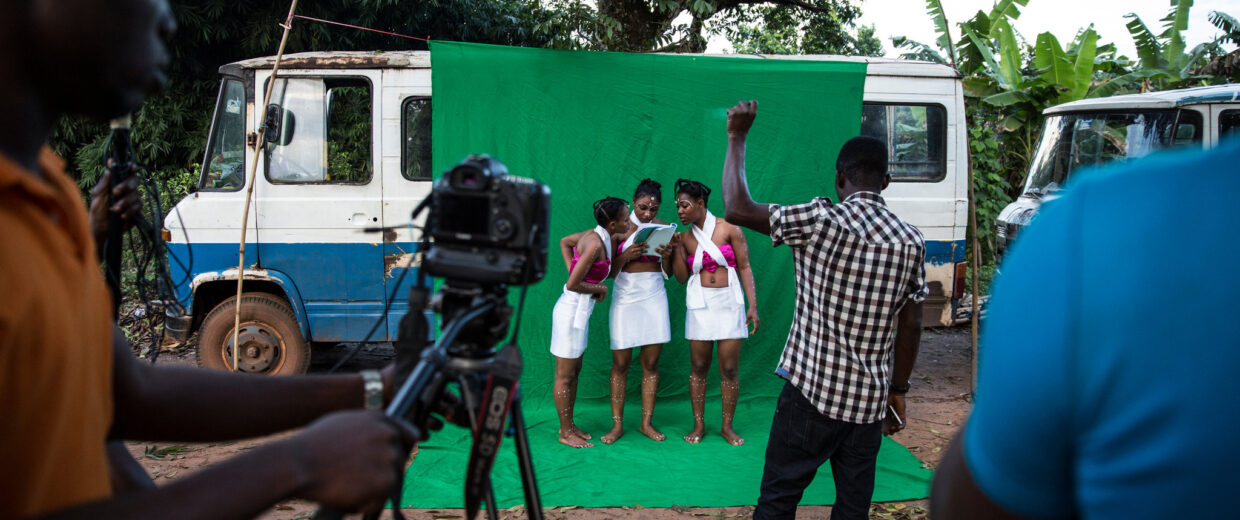
A brief episode still needs a story, performers, sound, editing and a usable delivery. A rapid publishing schedule can make organisation more important, not less.
The temptation is to treat shorter duration as permission to make every budget line smaller. But the relevant unit is the complete production and release plan. Multiple episodes may share locations and actors efficiently. They can also create repeated approval rounds, pickups and delivery deadlines.
The creative test is equally demanding. An episode needs a reason to continue, but a series built entirely from interruptions risks exhausting the viewer. The cliffhanger should grow out of the drama rather than serve as an apology for how little happened.
Development should include the buyer conversation
The most useful mentorship would put the creative concept beside its intended route to market. How many episodes make the proposed story work? What must be paid before the first revenue arrives? Who can approve a recut? What happens if a buyer wants another language version?
Those are not obstacles to creativity. They establish whether the concept can survive outside the pitching session.
The SAE route also needs to be described accurately. Its published eligibility is directed at South African citizens and permanent residents, broadly aged 25 or younger, who meet the education requirements and can begin studies in 2027. A bursary is an education opportunity, not a promise to finance the winning screen concept.
The right measure comes after the showcase
For these initiatives, finalists and completed pilots will be useful early indicators. Repeat paid work is the harder measure. Do participants secure commissions? Can they retain a functioning team? Does the buyer return?
There is room for experimentation before all those answers exist. New formats rarely arrive with settled economics. What should be avoided is turning a development announcement into an unsupported market-size claim.
Micro-drama has earned a place in the conversation. The next achievement will be a business arrangement that lets its creators keep working after the applause has ended.