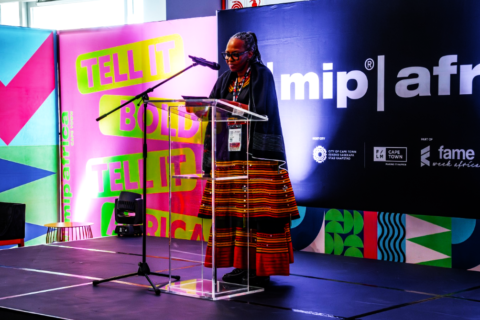

The East Africa Broadcasters Convention 2026 takes place in Nairobi from May 26 to 28. Co-convened by Broadcast Media Africa and hosted by the Association of Professional Broadcasters, it brings together senior broadcasters, digital publishers, advertisers, content creators, and technology companies from across the region. This edition introduces, for the first time in the convention’s history, a dedicated Content Marketplace — a structured platform for the buying, selling, and co-production of African content designed to bridge regional creators and international distributors.
Benjamin Pius, CEO of Broadcast Media Africa, described the convention as arriving “at a crossroads where technology and storytelling must merge to ensure commercial viability.” The marketplace is not a side event or a networking session. It is a formal commercial mechanism intended to facilitate deals across DTT, OTT, and mobile platforms within the continent and globally.
Why This Is Fifteen Years Late
The DIFF FilmMart has operated in Durban since 2010. AFRIFF’s Film and Content Market launched in Lagos in 2025 and reached the Cannes Goes to Cannes programme in 2026. The Marrakech International Film Festival has had a co-production market for years. East Africa — the continent’s most creatively productive territory in the past two years by the measure of international festival representation — has had no equivalent commercial structure.
READ ALSO: Ava DuVernay Is Making the Benin Bronzes Film.
Kenyan documentary has screened at Sundance in consecutive years. Ugandan photography is at NYAFF. Tanzanian and Ethiopian cinema is discussed at international festivals. None of this has been supported by the regional commercial marketplace that the European, North American, and West African industries have been building for decades. The reasons are structural: East Africa’s broadcasting landscape is fragmented across national language groups, regulatory environments, and commercial ecosystems in ways that make regional co-production more complex than in Francophone West Africa, where a shared language and shared Canal+ commercial infrastructure provide a natural collaborative axis.
What a Functional Marketplace Changes
The most significant constraint on East African television content reaching international audiences is not quality — two consecutive Sundance selections from Kenya demonstrate this — but the absence of established distribution relationships. International buyers and programmers do not have the institutional familiarity with East African content producers that they have with Nigerian or South African counterparts. A marketplace closes this gap by creating the formal context for commercial conversations that networking events cannot reliably produce.
If the 2026 edition operates with genuine commercial rigour — real buyers with acquisition mandates, real co-production discussions with contractual frameworks — it begins to build the East African content relationships that have been discussed at industry conferences for fifteen years without the mechanism to produce them. Kenyan producers working with Tanzanian distributors. Ugandan content reaching Ethiopian audiences. Nairobi as a content hub for East African television in the way Lagos is becoming a content hub for West African film.
Whether this edition achieves that or is a first step toward it depends on the quality of buyers in attendance. RollCallAfrica will be in Nairobi for the convention and will report from the marketplace sessions.
East Africa Broadcasters Convention 2026 · May 26–28, Nairobi, Kenya. Sources: Broadcast Media Africa (March 2026). — Wanjiru Kamau. RollCallAfrica, May 2026.