Adanne is beginning its festival life in two different rooms.
The Nigerian family drama will screen at the All African Independent Film Festival in Kigali from 15 to 17 October, followed by the Women of the Lens Film Festival in London in November. Further EMEA screenings are planned before a theatrical release through Trino Motion Pictures.
For director Orobosa Ikponmwen, the sequence is a useful career test. Kigali can position the film inside a continental conversation. London can introduce it to a diaspora-facing programme built around women of colour in film. Trino gives the route a stated commercial destination.
The question is whether the three parts will work together.
A Feature Built Around Three Generations
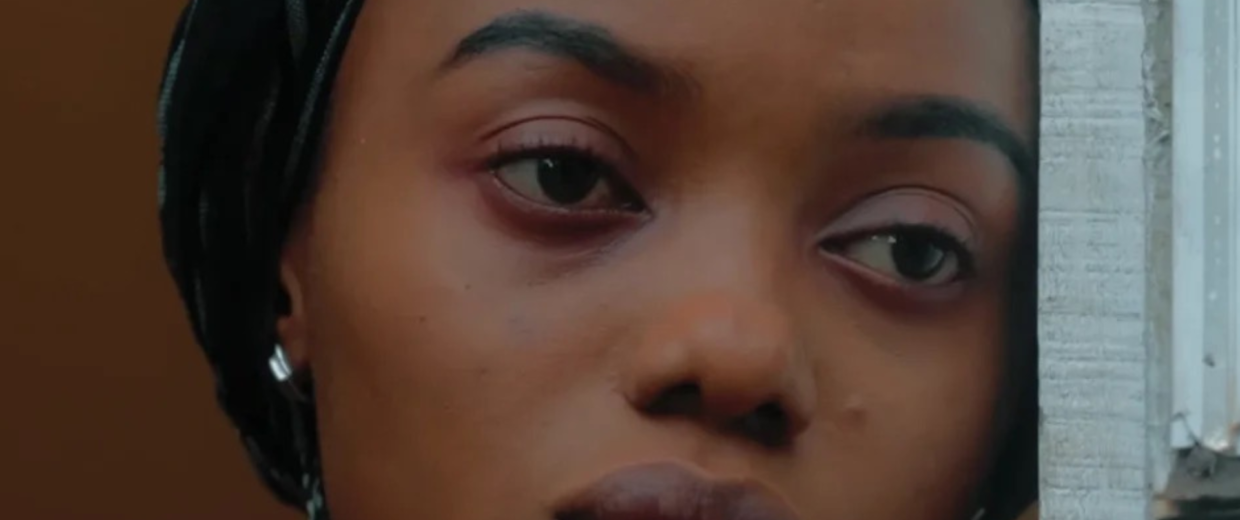
Adanne follows three generations of Igbo women living under one roof. At the centre is a young woman negotiating creative ambition, family expectation, love and tradition.
The film is written and produced by Gold Gerry. Mmesomachi Chilaka makes her screen debut in the title role, with Onyinye Odokoro, Kelvinmary Ndukwe and Jennifer Umenwa among the cast. Lotanna Nwose is also credited as producer, while Olayinka Suara served as director of photography.
The production was shot in Ibadan and uses English and Igbo. That combination gives it two layers of cultural positioning: a family story that can be understood broadly and a linguistic identity that locates the conflict more precisely.
Ikponmwen’s job is to keep those layers from flattening each other. The film must be specific enough to feel lived in and clear enough to travel without explaining every cultural detail to an imagined foreign viewer.
Why Kigali Is More Than a First Laurel
The All African Independent Film Festival gives Adanne an African starting point. That matters.
Nigerian independent films often build prestige through Europe or North America before receiving serious continental attention. A Kigali screening allows the production to test its family dynamics with an African audience that may not share the same language or customs but will recognise the negotiation between generations.
The value is not the laurel by itself. It is the audience information the screening can produce. Which characters travel? Where does the humour land? Which cultural tensions require no explanation? What questions follow the film?
Those answers can improve later marketing. A festival should give the team more than photographs. It should give the distributor language for positioning the film.
READ ALSO: Festival visibility matters when it creates commercial follow-through.
London Offers a Different Audience
Women of the Lens describes itself as a festival supporting work by and about women of colour. Adanne enters that programme with a story centred on women, family duty and creative independence.
The London audience may include African and Caribbean diaspora viewers, British industry professionals and filmmakers working around similar questions of identity and access. That makes the screening useful for a different reason than Kigali.
It can test whether the film’s cultural specificity becomes an access point for diaspora viewers rather than a barrier. It can also create press and partnership conversations ahead of the proposed theatrical release.
The danger is familiar. A film can collect international laurels that improve the poster without changing its distribution position. The practical measure is whether London produces a buyer conversation, a community exhibition partner, a diaspora release opportunity or useful audience evidence for Trino.
Ikponmwen Is Building Across Film and Television
The director is not arriving with only one title. His young-adult drama Pushing 30 is also scheduled for an Africa Magic Showcase premiere in October.
That places Ikponmwen across two production systems at once. Adanne is taking the independent feature and festival route. Pushing 30 is moving directly into a broadcaster environment with an existing audience and schedule.
The contrast is commercially important. Television offers defined distribution from the beginning. An independent feature must build its route market by market. A filmmaker able to operate in both spaces can develop craft, relationships and financial resilience without waiting for one system to supply an entire career.
It also means October will provide two different kinds of evidence about his work. One film will be discussed in festival terms. The other will be measured by its ability to hold a television audience.
Why He Enters the Rising Watchlist
The RollCall Africa Rising Watchlist is not a prediction of fame. It tracks evidence that a screen professional’s position is changing.
Ikponmwen currently has three useful signals.
- A feature film entering festivals in two distinct international markets.
- A named theatrical distributor attached before the festival run is complete.
- A separate television title moving toward an Africa Magic premiere in the same period.
None guarantees a lasting career. Together, they show a director moving from isolated credit toward a slate.
The next evidence should come from execution. Adanne needs confirmed release timing, a credible marketing plan and a route that reaches the audience after its festival screenings. Pushing 30 needs to demonstrate that Ikponmwen can deliver for a scheduled television platform without losing the specificity visible in his feature work.
The Distribution Test
Trino Motion Pictures is expected to distribute Adanne nationwide. The announcement gives the film a commercial endpoint, but important questions remain.
How many cinemas will open the title? Will the campaign lead with family conflict, Igbo identity, the women-led ensemble or the director’s festival selections? Will there be a diaspora extension after London? How long will the film remain in festivals before a public release?
These decisions will determine whether the route is coherent.
A festival run can create value when each stop prepares the next transaction. Kigali should strengthen the continental case. London should strengthen the diaspora and industry case. Trino should convert that evidence into a release that audiences can actually find.
Orobosa Ikponmwen is worth watching because he has reached the point where opportunity must become structure. The laurels have begun. The career will be built by what follows them.