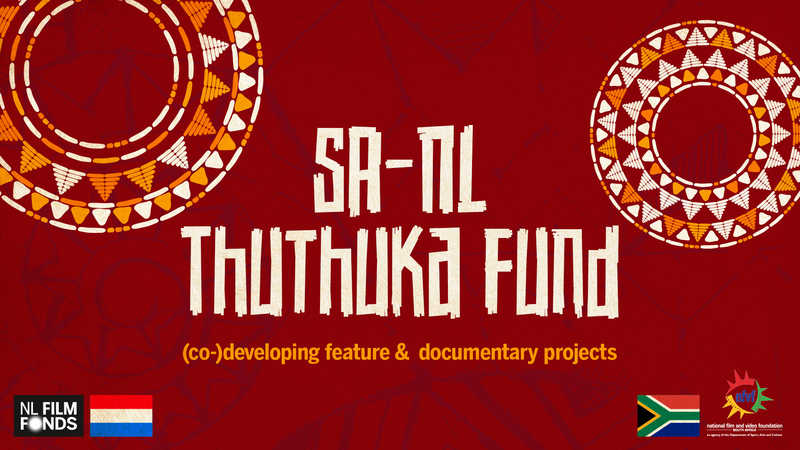
A €40,000 development grant can transform a film project. It cannot finance the finished film. Thuthuka’s new South African-Dutch call is unusually clear about the distinction.
The programme, jointly operated by South Africa’s National Film and Video Foundation and the Netherlands Film Fund, will support no more than four feature, animation or feature-documentary projects intended for cinema release. Two awards are reserved for majority-South African productions and two for majority-Dutch productions. Each selected team receives an all-in development contribution of €40,000, alongside workshops and networking.
The headline is the money. The industrial detail is majority status.
Who remains the majority producer can influence creative authority, national certification, access to later public funding, the structure of recoupment and the long-term value retained by the originating company. A co-production is a partnership, but it is not automatically an equal one.
READ ALSO: Festival country credits do not tell us who owns or controls an African film.
What €40,000 Is Designed to Buy
The Thuthuka contribution is for writing a script and creating a pitch book. Those assets are not administrative extras. They are the materials that allow a project to be evaluated, packaged and taken into later finance conversations.
Development money can pay writers, researchers, script editors, producers, designers and legal advisers before the costliest production commitments begin. It can help a team test whether a story works, define the visual plan, clear underlying rights and build a budget that another funder can believe.
That is different from production finance. Cameras, cast, crew, locations, insurance, post-production and delivery will require a much larger package. Thuthuka’s selected teams may later become eligible for production support, but the development award should not be reported as if four films have already been financed.
Why Majority Status Matters
In an official co-production, majority and minority positions are usually connected to each country’s financial and creative participation. The majority producer often carries the larger share of responsibility, although the final rights and control depend on the agreement between partners.
For the two majority-South African projects, the programme offers a chance to add Dutch expertise and access while keeping the African company in the leading position. For the two majority-Dutch projects, the South African producer enters as the minority partner and must understand what value, rights and future participation accompany that position.
Neither structure is inherently bad. The problem begins when “international co-production” is used as a complete description. A minority producer may bring locations, local knowledge, crew access and cultural legitimacy while retaining little control over sales or exploitation. A majority producer may hold formal leadership but accept financing terms that weaken practical authority.
The contract remains more informative than the country order in the credits.
Four Projects Is Both Focus and Scarcity
Limiting the programme to four projects allows the partners to provide meaningful development money and closer support. It also shows the scale of scarcity. A continent-sized demand for project finance is meeting a programme with two majority-South African places.
The strongest applications will therefore need more than a good premise. They need clean rights, an appropriate partner, a cinema strategy and a credible path from the €40,000 development phase to the much larger production budget.
This is where many African projects stall. They accumulate labs, pitch prizes and development documents without converting them into closed finance. Workshops can strengthen a team, but the programme’s real value will be measured by how many selected projects enter production and on what ownership terms.
READ ALSO: African film finance still lacks reliable completion protection.
The Questions Applicants Should Resolve First
- Which producer holds the underlying rights, and for how long?
- Which country will hold majority status during development and production?
- What finance is expected after the development award?
- Which territories and sales rights will each partner control?
- How will producer fees, overhead and recoupment be structured?
- What happens if the project completes development but does not secure production finance?
The deadline is 6 October 2026 at 17:00 CET. The selected teams will receive a valuable opportunity. The best outcome will not be four polished pitch books. It will be four projects that understand who owns what, what remains unfunded and how the partnership will move from development into production.
Thuthuka is buying readiness. Whether that readiness becomes finished cinema will depend on the agreements made after the grant is awarded.
RollCallAfrica analysis based on the Netherlands Film Fund’s 2026 Thuthuka call and published programme information available on 12 September 2026. Majority-producer status does not by itself establish final ownership or creative control; those positions depend on each co-production agreement.